
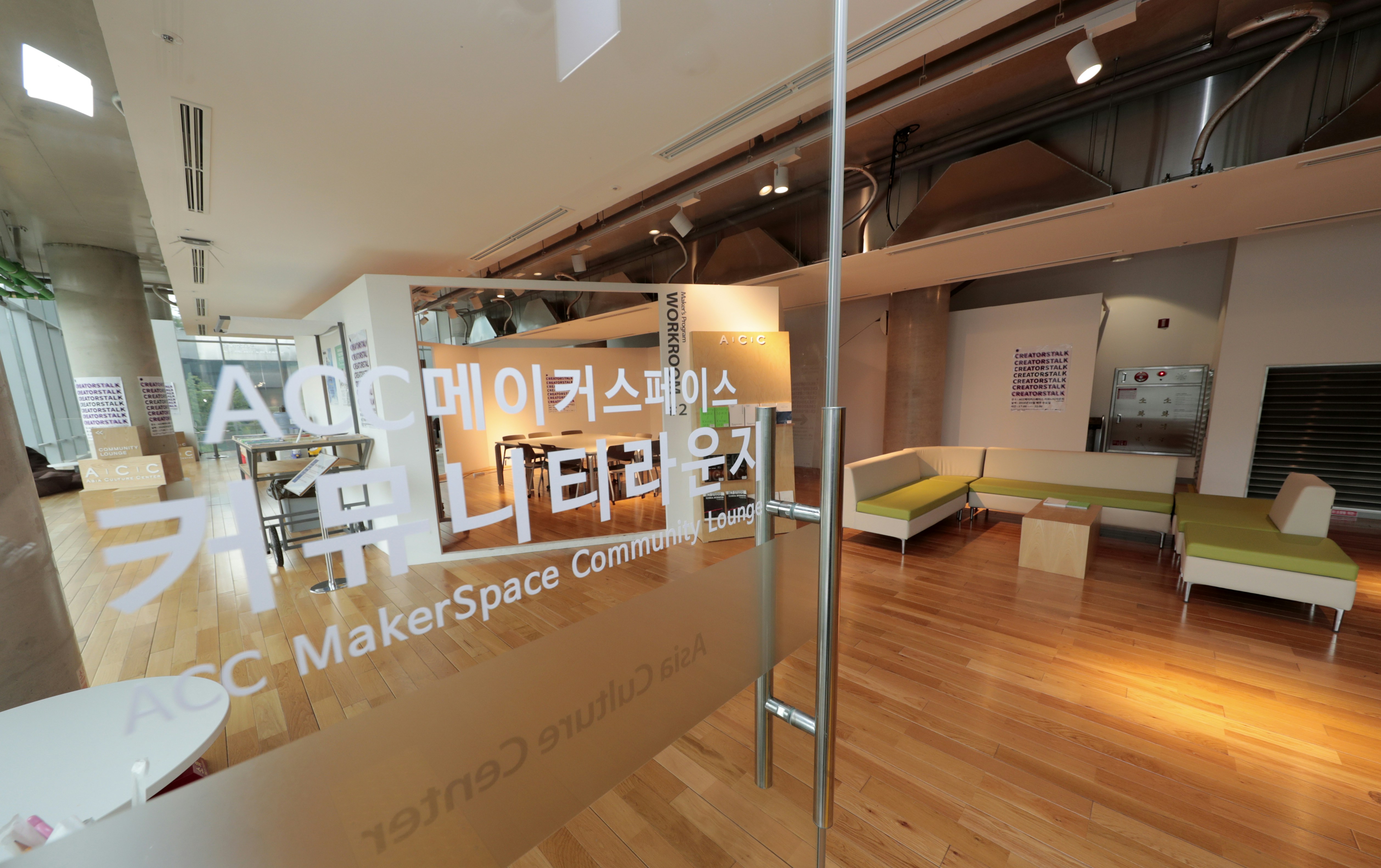
The Concept of Community in Private Spaces
When considering the concept of community, many individuals may immediately envision vibrant public spaces bustling with activity and interaction. However, it is essential to recognize that community does not solely reside in these external environments; it also thrives within the walls of our homes. Private spaces can serve as incubators for relationships, collaboration, and support networks, fostering a sense of belonging among individuals.
Homes have historically been the sanctuary where family ties are nurtured, friendships flourish, and community bonds are formed. The intimacy and familiarity of our private spaces promote open communication and deeper connections among residents and guests. This emotional connection is crucial in cultivating support systems that can withstand the trials and tribulations of life. Whether it is through hosting gatherings, collaborating on creative projects, or simply sharing everyday moments, our homes can encourage meaningful interactions that reinforce community ties.
The design and arrangement of a living space can further facilitate community building. Open layouts, communal areas, and welcoming environments can all play a significant role in encouraging social interaction. Additionally, the diversity of individuals who visit or reside in these private spaces contributes to the richness of the community experience. Engaging with different perspectives and backgrounds fosters empathy and understanding, reinforcing the notion that community is not limited by geographical boundaries.
Moreover, during challenging times, such as global crises or personal hardships, private spaces can transform into vital hubs of support and resilience. By utilizing our homes as platforms for collaboration, we can enhance our collective strength, thus underlining the importance of community in every aspect of our lives. As such, the notion that community is exclusive to public spaces overlooks the profound potential of our homes to nurture relationships and foster a sense of belonging.
Transforming Spaces for Learning and Connection
In recent years, many individuals have reimagined their home environments to foster both learning and connection, adapting traditional living spaces into multifunctional areas. The emphasis on creating effective workstations has led to innovative designs that prioritize comfort and productivity. For instance, a corner of a living room can be transformed into a dedicated workspace equipped with an ergonomic chair, an adjustable desk, and organized storage for educational materials. This setting not only encourages focus but also serves as a space for skill development and professional growth.
Another trend emerging from this transformation is the establishment of small group learning areas. Families have harnessed their dining spaces or patio areas to host weekly sessions that promote collaborative learning. These gatherings can involve studying for exams, participating in book clubs, or even conducting language exchange meet-ups. The integration of technology, such as video conferencing tools in these spaces, has made it easier to connect with peers from different regions, further enriching the learning experience.
Furthermore, informal teaching corners have gained popularity, where individuals can explore hobbies or share knowledge informally. A great example is the creation of a cozy nook in a garden or a corner of a bedroom, outfitted with cushions and educational resources, inviting family members and friends for skill-sharing workshops. These informal setups not only enhance social interaction but also encourage creativity and exploration. The idea is to create inviting spaces that facilitate dialogue and cooperation among diverse groups, marking a significant shift in how we view our home environments.
As people continue to innovate, these functional adaptations reflect a broader trend towards personalized learning while fostering meaningful connections among individuals. The transformation of spaces in homes becomes a catalyst for nurturing community bonds, making learning more accessible and enjoyable.
Sustainability Initiatives in Shared Environments
In recent years, the concept of sustainability has gained significant traction as communities seek avenues to promote environmentally responsible practices. Shared spaces, such as community gardens and collaborative workspaces, have emerged as vital components in these conversations. These initiatives not only prioritize ecological health but also enhance social connections among residents.
Community gardens represent a quintessential example of how shared environments can foster sustainable living. They allow individuals to cultivate their own fruits and vegetables while benefiting from collective gardening efforts. Through this collaboration, participants can learn sustainable agricultural practices, such as composting and permaculture. Furthermore, community gardens play a crucial role in reducing food miles by encouraging local food production, which subsequently diminishes carbon footprints. This shared responsibility nurtures both the environment and a sense of belonging among participants, creating a strong communal spirit.
Similarly, collaborative workspaces contribute to sustainable practices by enabling remote work and reducing the need for commuting. By offering resources such as energy-efficient technology and promoting a paperless environment, these spaces assist individuals and businesses in reducing their overall ecological impact. Additionally, relationships formed within these workspaces foster teamwork and innovation, allowing for the exchange of ideas that may lead to even more sustainability initiatives.
As individuals engage in shared spaces, they develop a collective identity rooted in environmental stewardship. These initiatives not only serve as models for sustainable living but also instill a sense of accountability among community members. Ultimately, as more people participate in these sustainable shared environments, the cumulative impact may contribute significantly to local ecosystems and enhance communal bonds, making sustainability a shared priority for all.
The Ripple Effect of Mindful Design
Intentional design within our personal environments plays a significant role in shaping our daily habits and overall mindset. By creating spaces that are not only aesthetically pleasing but also functional and supportive, individuals can foster a healthier lifestyle. This mindful approach to design can lead to positive changes that ripple out into the broader community, enhancing both individual well-being and collective resilience.
Incorporating elements such as natural light into our living spaces can dramatically impact mood and productivity. Exposure to sunlight has been linked to improved mental health and a reduction in stress levels. Therefore, maximizing natural light should be a priority when designing a space. This can be achieved by using light curtains, placing mirrors strategically to reflect light, and ensuring that obstructive objects do not block windows. Creating an environment that welcomes sunlight encourages occupants to thrive.
Another effective strategy is to introduce greenery into our interiors. Houseplants not only improve air quality but also foster a sense of tranquility and connection to nature. By cultivating an indoor garden, individuals can create a nurturing atmosphere that promotes relaxation and mindfulness. Additionally, these small acts can inspire others in the community to adopt similar practices, thereby contributing to a culture of health and sustainability.
Furthermore, choosing sustainable materials and local furnishings can signify a commitment to environmental consciousness. Incorporating these principles into design—whether through careful selection of decor or eco-friendly renovations—demonstrates how mindful choices can lead to broader community awareness regarding sustainability. This ripple effect can encourage collective efforts to engage in sustainable living practices.
In conclusion, the impact of mindful design stretches far beyond individual spaces. By intentionally cultivating environments that prioritize health and sustainability, we can foster a community ethos that values well-being and sets a standard for responsible living.