
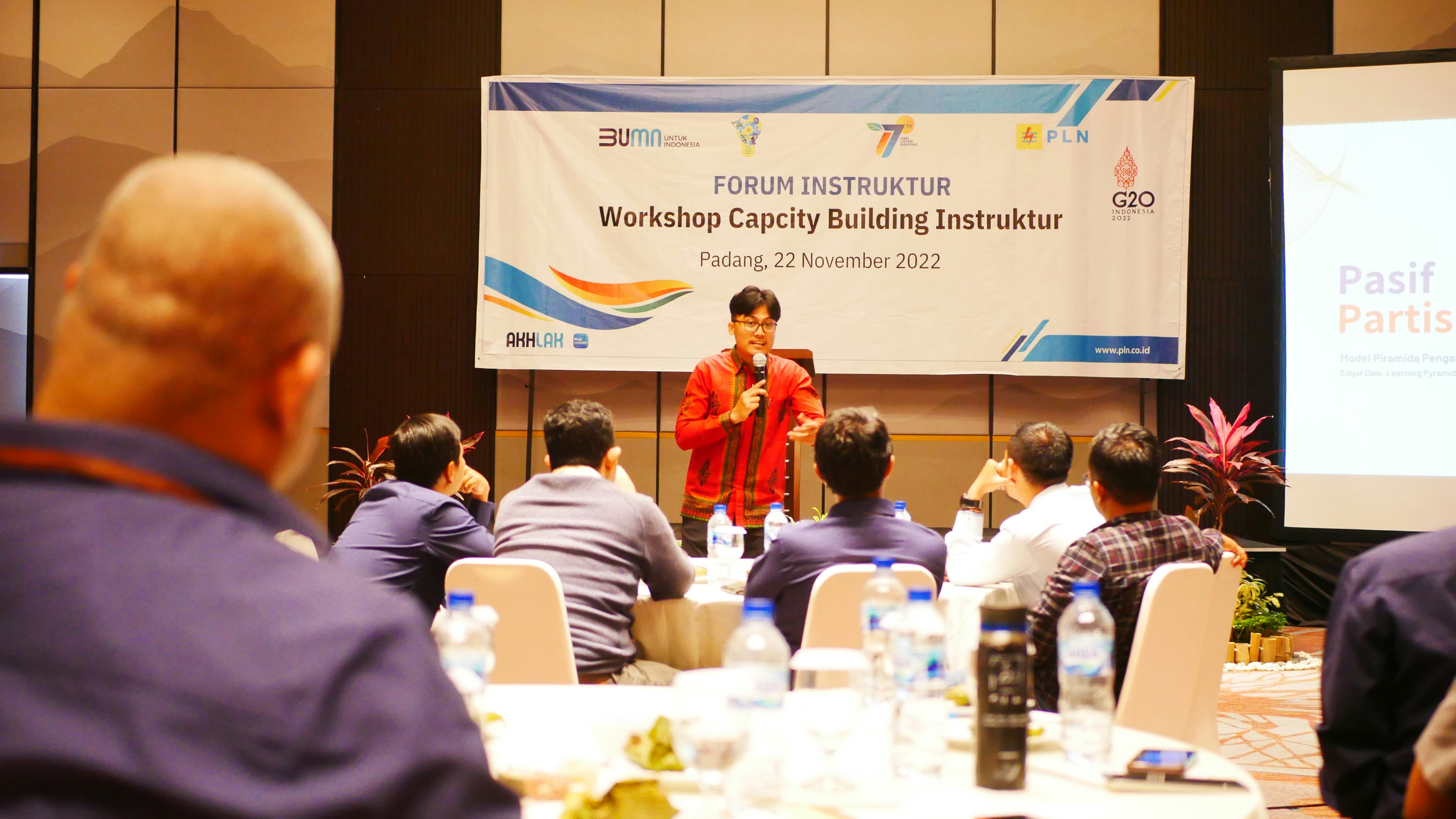
Understanding the Power of Workshops
Community workshops are structured gatherings that bring individuals together to learn, share, and collaborate on various topics and skills. These workshops extend beyond the traditional scope of educational events, as they often act as powerful catalysts for personal and social transformation. By fostering an environment of engagement and interaction, community workshops facilitate the sharing of knowledge and experiences, which can lead to a shift in perspectives and an enhancement of individual capabilities.
The significance of community workshops lies in their ability to address pressing needs within a community. Various types of workshops, such as those focused on digital literacy, provide participants with essential skills that are increasingly necessary in a technology-driven world. Similarly, workshops on financial basics empower individuals by equipping them with knowledge about budgeting, saving, and investing, fostering a sense of financial independence.
Furthermore, trade skills workshops offer participants practical training that can lead to improved job prospects and career advancement. By honing specific skills, participants boost their confidence and expand their understanding of the professional landscape. This, in turn, opens new avenues for personal growth and community involvement.
In many instances, these workshops also play a role in community cohesion. By bringing diverse individuals together, they create opportunities for networking and collaboration. Attendees from varying backgrounds share their unique perspectives, leading to richer discussions and a broader understanding of community challenges. The collaborative efforts sparked during these workshops often extend beyond the event itself, leading to lasting changes in the community as participants are inspired to take actionable steps toward improvement.
The Journey of Participants: From Uncertainty to Empowerment
Community workshops serve as a transformative platform for individuals who often begin their journey filled with doubt and uncertainty. For many participants, stepping into a workshop setting can be daunting; they may question their abilities and hesitate about their growth potential. However, as these individuals engage in the workshop’s environment, something remarkable happens. The support and encouragement from facilitators and fellow participants create a sense of belonging, which is critical in unlocking their latent potential.
Take, for instance, the story of Sarah, who attended a local workshop focused on digital marketing. Initially, Sarah felt overwhelmed by the complexity of social media strategies and content creation. She doubted her ability to understand the material and actively contribute to group discussions. However, with each session, Sarah began to grasp the concepts more clearly. Through hands-on activities and peer collaboration, she gained practical skills that she could directly apply to her budding business.
By the end of the workshop series, Sarah not only left with a comprehensive action plan to enhance her marketing efforts but also with a renewed sense of confidence. Her personal growth exemplifies how community workshops empower participants to take ownership of their learning. Such transformative experiences are commonly echoed through the accounts of other attendees.
Another illustrative case is that of John, who aimed to develop leadership skills. Participating in group exercises allowed John to practice communication techniques and receive constructive feedback. This iterative learning process enabled him to refocus his objectives and apply methods learned in professional settings.
These narratives highlight a common theme: participants enter workshops with doubts, but through interactive learning and community support, they cultivate empowerment and actionable plans for their futures. Such experiences demonstrate the profound impact that community workshops can have on individual trajectories and self-efficacy.
The Role of Volunteers in the Learning Ecosystem
Volunteers play a pivotal role in the success and sustainability of community workshops. Their involvement not only helps facilitate the learning experiences of participants but also fosters a sense of community ownership and engagement. These individuals bring their unique skills and experiences to the table, enriching the educational environment and providing invaluable resources for learners.
One of the most significant impacts of volunteer participation is the rekindling of a sense of purpose among those who choose to teach. By sharing their expertise, volunteers create a reciprocal relationship with learners, where knowledge flows in both directions. This dynamic is beneficial not just for participants who absorb new information but for volunteers who often find their passion for their subject reignited through the act of teaching.
Additionally, the motivations of volunteers vary widely, reflecting their diverse backgrounds and experiences. Some are driven by a desire to give back to their community, while others may be looking to develop their own skills or expand their professional networks. This variety contributes to a vibrant learning ecosystem where different perspectives can be shared, allowing for a more comprehensive educational experience.
The impact of volunteers extends beyond the immediate learning environment; it helps to build social connections within the community. By working together in workshops, volunteers and participants alike can develop relationships that often transcend the learning event itself. These connections foster a sense of belonging and unity, reinforcing the idea that community knowledge is best shared.
In summary, volunteers are integral to community workshops, contributing their time, skills, and compassion. Through their efforts, they not only empower others but also enrich their own lives, creating a cycle of knowledge and community engagement that benefits everyone involved.
Bridging Knowledge and Action: The Path to Real-World Outcomes
The transition from theoretical knowledge to practical application is essential for fostering genuine transformation within communities. Community workshops serve as critical platforms for this bridge, allowing participants to transform insights into actionable plans that yield tangible results. Workshops not only provide crucial information but also empower individuals to undertake initiatives that can lead to significant improvements in their lives and the surrounding environment.
One of the key outcomes of these workshops is the launch of microbusinesses. These small enterprises often emerge from skills acquired during sessions, enabling individuals to apply their knowledge in a practical context. Microbusinesses contribute not only to individual economic well-being but also to community development, as they create local jobs and enhance economic resilience. By translating knowledge into entrepreneurial ventures, participants experience a sense of agency and involvement in their local economy.
Moreover, community workshops can significantly enhance health practices. When participants learn about nutrition, wellness strategies, or preventive healthcare, they are better equipped to make informed decisions that positively impact their well-being and that of their families. Workshops that focus on health education can reduce health disparities and promote healthier lifestyles, creating a ripple effect throughout the community.
Fostering mentorship relationships is another essential outcome of integrating learning with actionable steps. Workshops often cultivate connections among participants, enabling them to share experiences, insights, and encouragement. This interconnectedness not only enhances individual accountability but also promotes a culture of support and growth, further solidifying the workshop’s impact.
In conclusion, the successful integration of knowledge and action through community workshops exemplifies the potential for real-world change. By nurturing holistic outcomes such as microbusinesses, improved health practices, and mentorship, these initiatives demonstrate the profound importance of actionable learning in driving community transformation.